



Most golfers wear a performance polo, customized shorts or golf pants, and spikeless or soft-spike golf shoes when they go to the driving range. Skip cotton it soaks up sweat and holds it. Go with lightweight polyester-nylon blends that wick and dry quickly. Leave the denim, cargo pants, gym shorts, and flip-flops at home, especially at private clubs that enforce full course rules on the range. Add a UPF 50+ layer and a wide-brim hat. The details below matter more than you'd think.
Driving Range Dress Codes at Public and Private Clubs
Before you toss a shag bag in the trunk and head out, know this: where you practice matters more than what you're practicing. Public ranges are pretty relaxed. Golf shirts, T-shirts, athletic tops, shorts, athletic pants, spike-less golf shoes or plain sneakers you're fine. Just skip the swim trunks, cut-offs, shredded jeans, and, guys, the sleeveless tank. Bare midriffs and offensive slogans get flagged too.
Private clubs? Different animal. Most apply their full course dress code to the range, chipping area, and putting green. That usually means a collared shirt, sometimes tucked, customized shorts or slacks, and soft-spike golf shoes. Denim, cargo pockets, sandals, flip-flops, and metal spikes are out. Some even want your cap bill facing forward. Check the posted policy foremost or you might be going shopping.
Tops That Work Best on the Driving Range
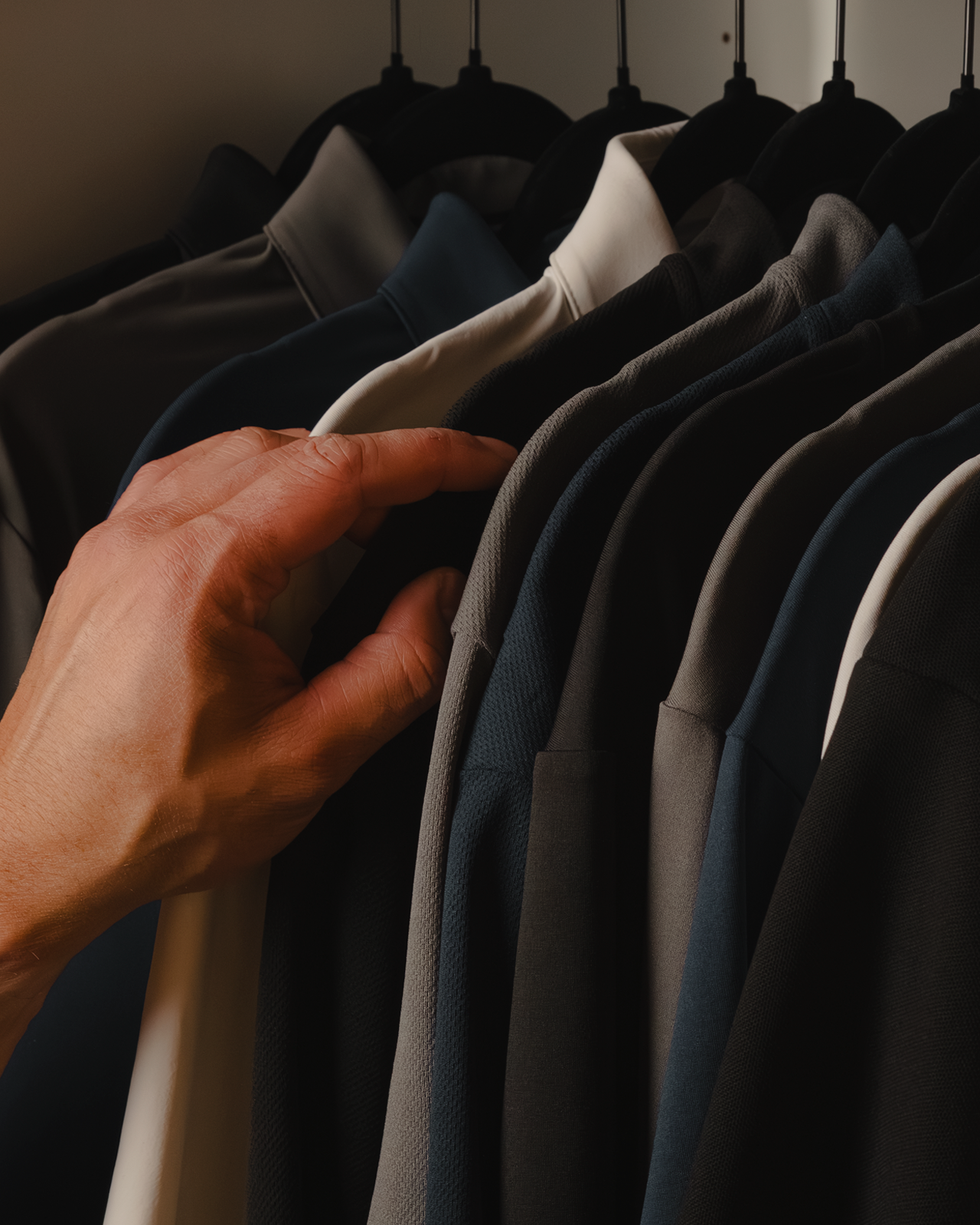
Once you know what the club will actually let you wear, the real question is what won't make you miserable after 80 swings in the sun. Skip cotton. It soaks up sweat, traps heat, and hangs like a wet towel. Go with lightweight polyester-nylon blends that wick moisture and dry quickly.
Style-wise, a performance polo works anywhere. Mock-neck and quarter-zip tops look sharper and let you vent when you heat up. If you're baking in the open range with no shade, a UPF 50+ long-sleeve sun shirt beats the need for sunscreen reapplication every hour. Fit matters. Athletic, not shrink-wrapped. Stretch fabric and raglan sleeves keep your shoulders free of restriction during full turns.

Trousers, Shorts, and Skorts for the Driving Range
Customized golf pants, chinos, Bermuda shorts, or a customized skort will get you through the gate at basically any range in the country. That's the whole list. Skip the denim, because private clubs and course-based ranges shut that down fast. Cargo pants, joggers, cut-offs, and gym shorts? Also out at anywhere remotely formal.
Length matters more than the garment. Most codes want shorts and skorts hitting near the knee or mid-thigh, not three inches from trouble. For men, tailored shorts are typically hemmed no higher than 6 inches above the knee. Keep the fit bespoke, not tight, not slouchy, and definitely not frayed at the hem.
Public and municipal ranges loosen up. Clean athletic shorts usually fly there. But resorts and private clubs enforce the same rules on the range as the clubhouse, so check the policy before you drive over. When you can't confirm the rules, err on the side of traditional attire to show respect for the game and your playing partners.
Shoes to Wear at the Driving Range
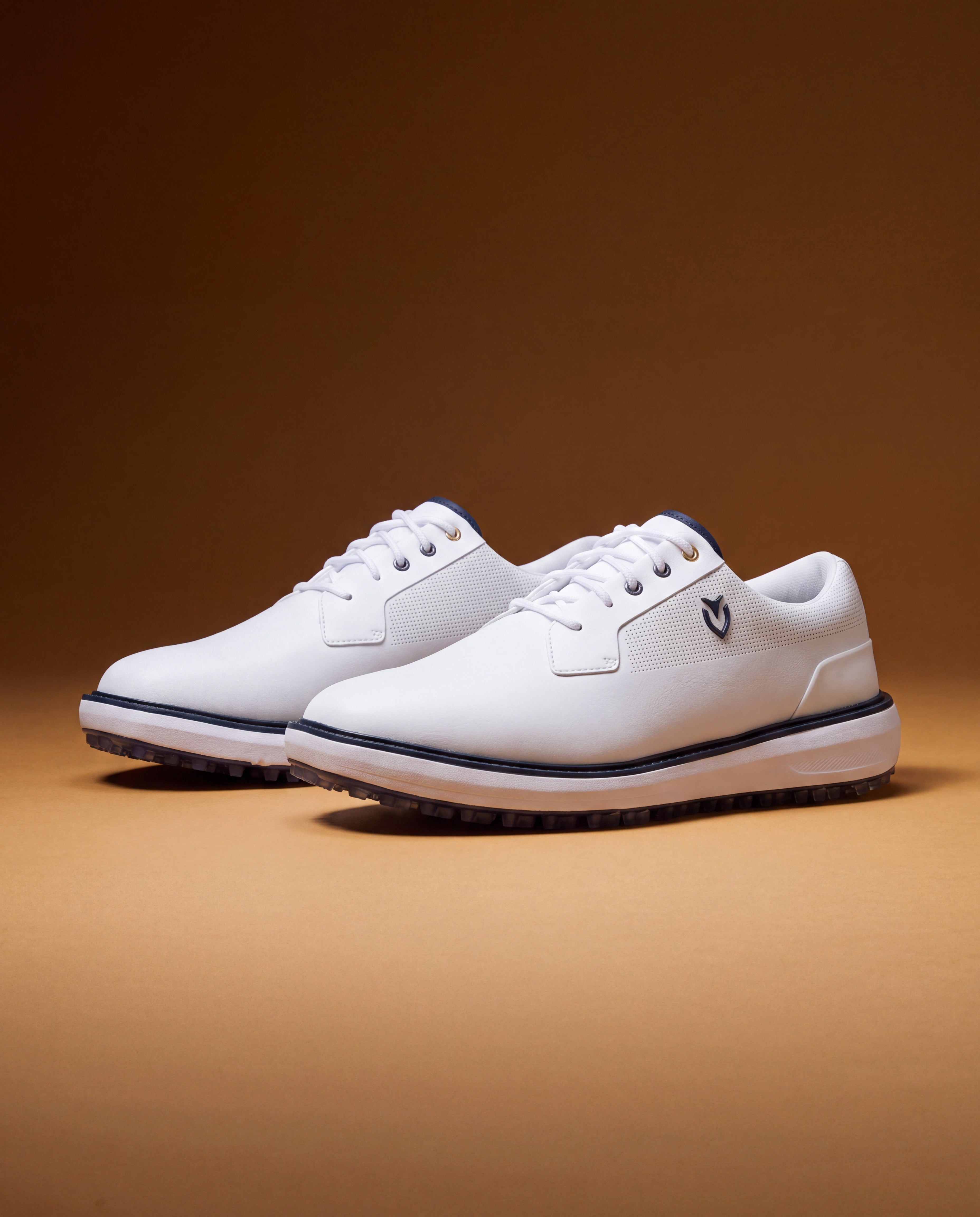
Put on real golf shoes. Spikeless pairs handle range mats and grass just fine, and they support your ankles and feet through the swing; that's why most people practice in them. The best spikeless options lean on waterproofing and supportive midsoles to deliver reliable grip, cushioning, and durability across diverse conditions. Soft spikes are welcome at nearly every range too, and they grip better than sneakers on wet or sloped turf because they're built to resist the twisting force of your swing. Plenty of clubs list both as approved footwear.
Athletic sneakers work for casual mat sessions if the sole is flat and stable. Just don't expect real golf support. If you're hitting off soaked, soft, or hilly ground, spiked shoes with removable cleats provide maximum grip that molded rubber lugs can't quite match.
Sandals, flip-flops, sliders, suit shoes? Skip them. No grip, no ankle support, and open toes make slipping easy. Most clubs ban them anyway.
Wear closed-toe shoes, keep your shoes dry and clean, and check the posted dress code beforehand.
Driving Range Layers, Sun Gear, and Swing Comfort
Shoes handled, let's talk about what goes on the rest of you. Layer light. Breathable stuff you can peel off between buckets, because your body heat climbs fast after forty swings. A long-sleeve UPF 50+ polo is the move in warm weather it blocks over 97.5% of UV rays and still lets you turn. Compare that to your favorite white cotton polo, which tests around UPF 5 to 7. That's basically nothing. Keep in mind that stretching during your swing opens up the weave and drops the actual protection below the rated number, so fit and coverage matter as much as the label.
Get a wide-brim hat with a UPF 50 rating, not a flimsy cap that leaves your ears roasting. Add golf sunglasses so you can actually track ball flight. Sun gloves cover your hands, which get hammered out there.
Bottoms? Four-way stretch pants or shorts. Rigid casual fabric fights your rotation, and you'll feel it through the finish. If you pick shorts or a skirt, plan on SPF 50+ sunscreen reapplied every two hours on everything the fabric doesn't cover.
Frequently Asked Questions
Do I Need a Golf Glove for a Driving Range Practice Session?
No, you don't need one but you'll probably want one. Hitting 100 balls creates friction, and friction creates blisters on your lead hand. A glove blocks that, adds tackiness so you can hold the club lighter, and keeps sweaty hands from sliding in July heat. If your hands are dry and you're only hitting 30 balls, skip it.
Should I Bring a Spare Outfit if Playing a Round After Practicing?
Yes if you're teeing off the same day, pack one. Range work makes you sweaty, dusty, or muddy, and nobody enjoys eighteen holes in a soaked shirt. Keep it simple: a clean collared polo, fitted shorts or chinos, fresh socks, maybe a quarter-zip if the temperature drops. Toss it in your trunk or a locker. Skip it only if you're hitting balls at a public range and heading straight home.
How Do Golf Bag Dimensions Affect Club Organization and Protection?
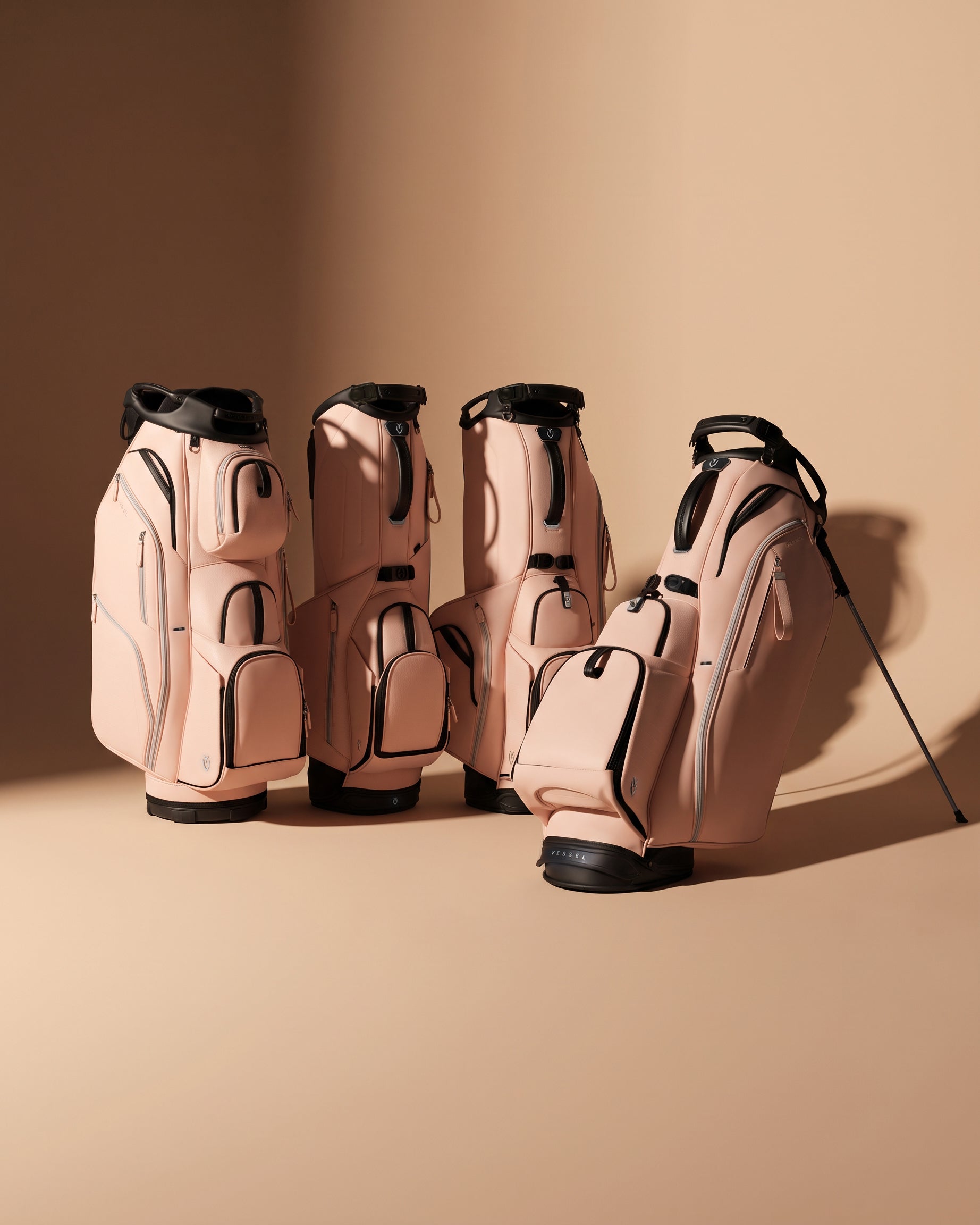
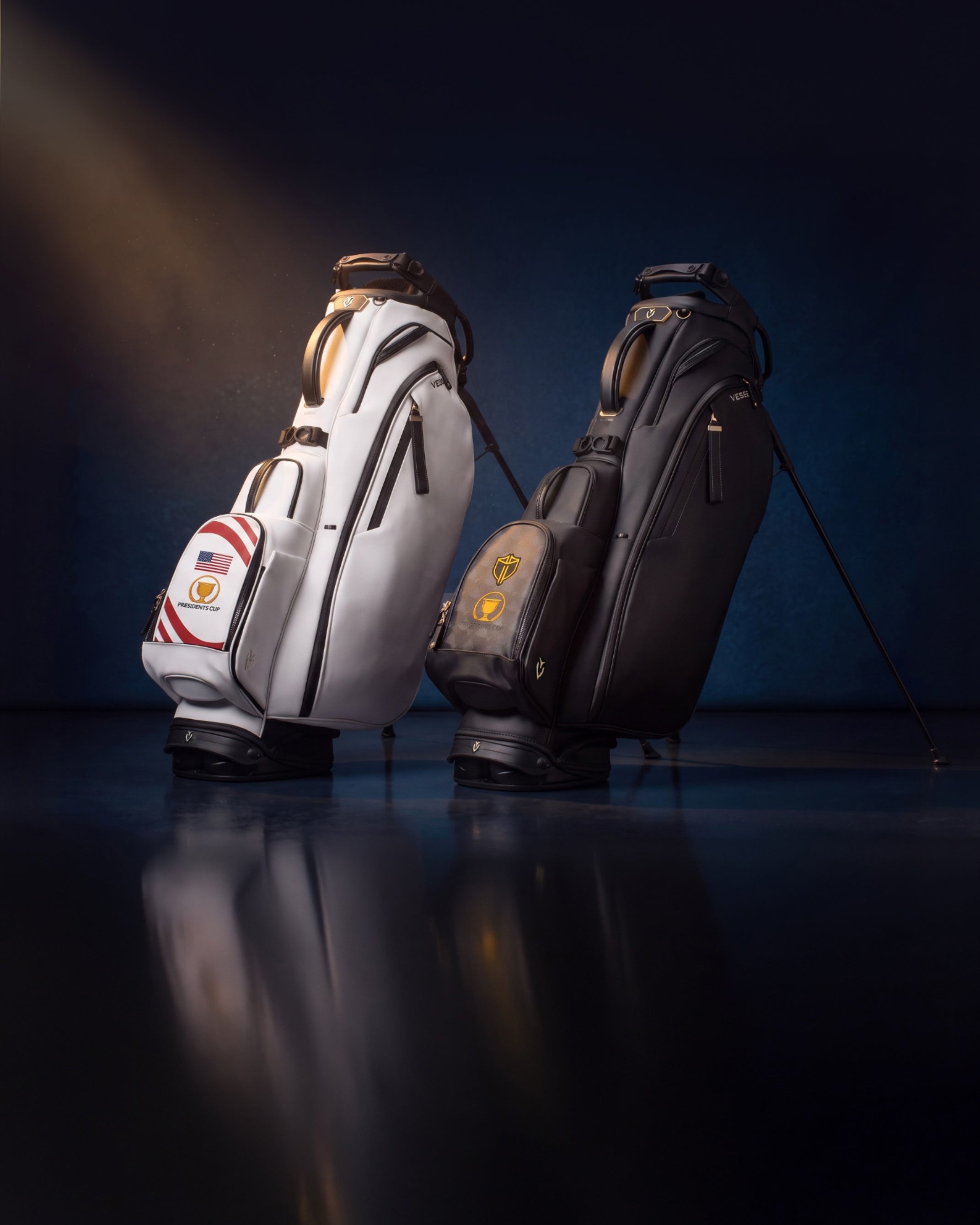
Your bag's top diameter and divider count are everything. A 10.5-inch top with 14-way dividers keeps every club isolated no rubbing, no tangled headcovers. Drop below 9 inches with a 4-way system, and you're cramming 3 clubs per slot, grinding shafts together. Bag height matters too. Anything under 35 inches won't fully contain a 48-inch driver, leaving clubheads exposed and vulnerable. Wider, taller bags simply protect better. Period.
How Should I Wash and Care for My Golf Practice Clothing?
Wash it after every session. Don't leave sweaty gear balled up in your bag that's how mildew wins. Turn everything inside out, cold water, gentle cycle, and go easy on the detergent. Use a mild or performance-specific one; enzymes handle sweat and sunscreen. Stubborn stink? Soak in one part white vinegar to four parts cold water. Then air-dry. High heat kills stretch and wicking, so skip the dryer or use its lowest setting.
Does Attire Differ at Indoor or Covered Simulator Driving Ranges?
Yes, and it's way more relaxed. Most simulator spots don't enforce a real dress code, so wear a T-shirt, joggers, leggings, even jeans. Just move freely. Footwear's where they get picky: clean sneakers or spikeless golf shoes only. Metal spikes shred the mats, and sandals or boots are useless for a swing. One tip: skip loud neon or shiny fabrics at camera-based bays, since they can mess with ball tracking.
Conclusion
A collared polo, decent shorts or pants with a real waistband, and shoes you can pivot in. That's it. Skip the denim, skip the tank top, skip the flip-flops that'll have you sliding around like a newborn deer. Toss a hat and sunscreen in your bag and go hit balls. Nobody at the range cares what you're wearing anyway.


