


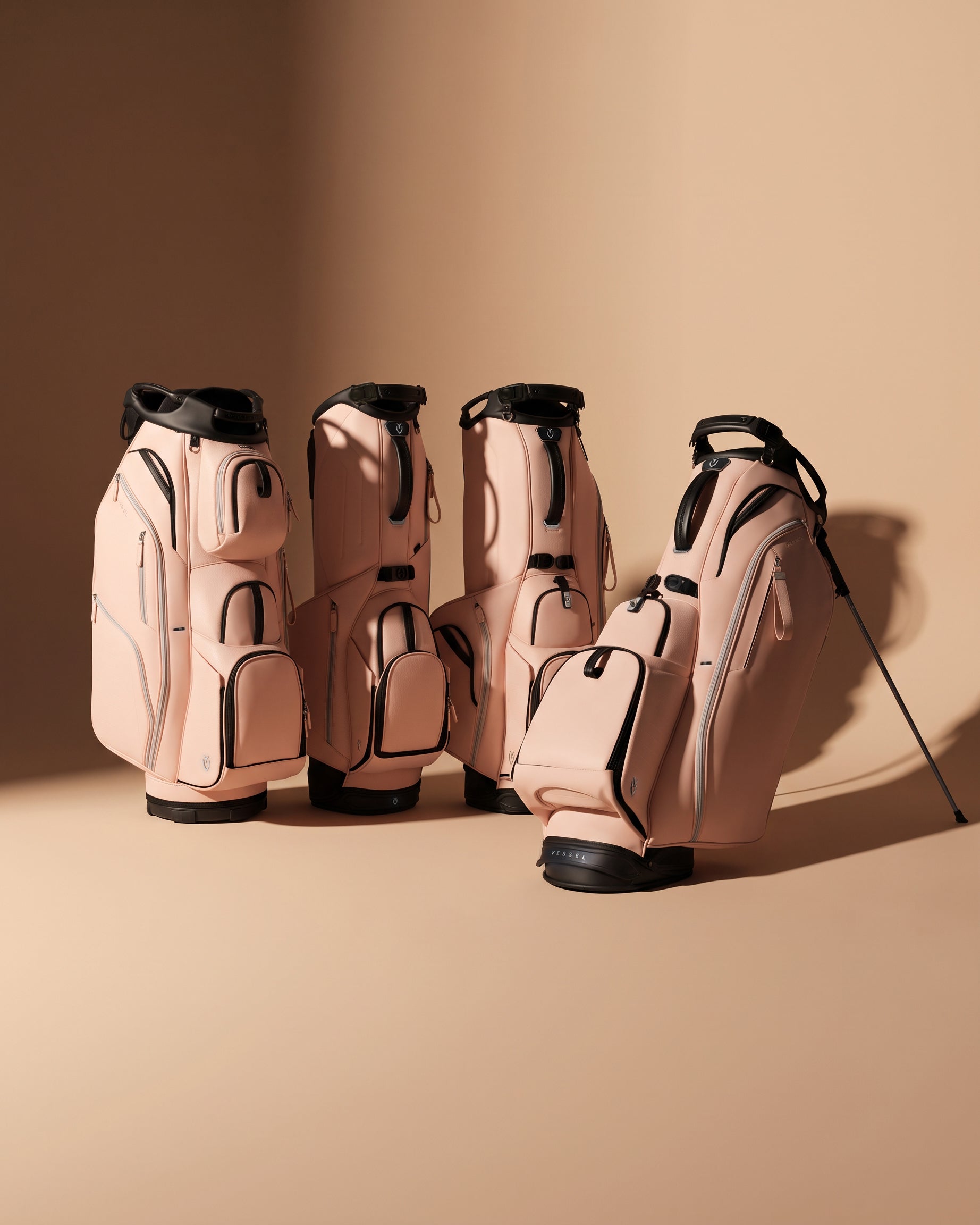

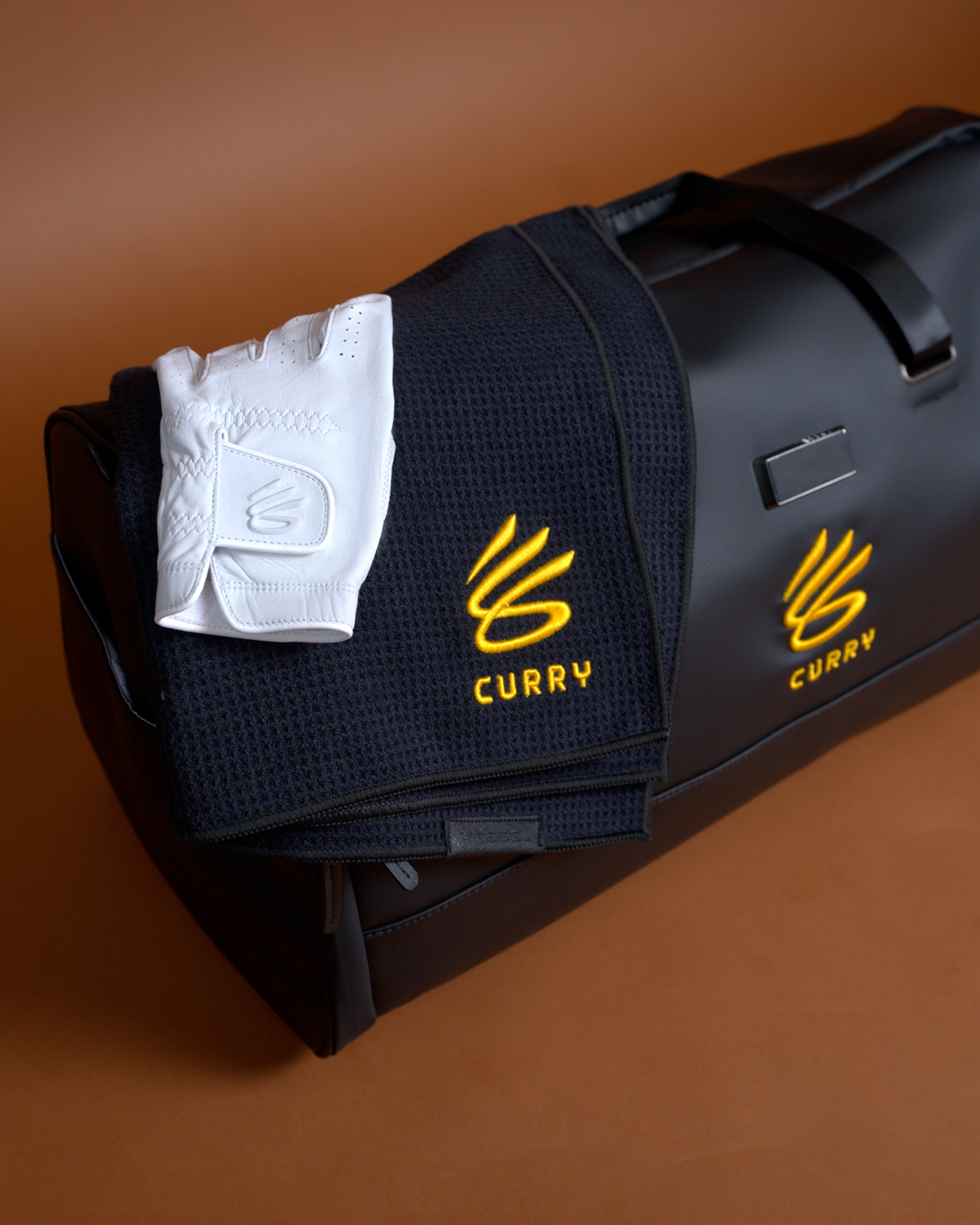



Golf bag dimensions vary wildly depending on type. Stand bags run 34–36 inches tall and weigh around 4 pounds empty. Cart bags hit 36–38 inches with 14-way tops and tip the scales at 7–8 pounds. Tour bags stretch up to 42 inches with 10–11 inch openings. Sunday bags stay slim at 30–36 inches, and travel bags balloon to 50–55 inches tall. Each type's size changes what you can actually carry and how, so let's break it all down.
Table of Contents
Golf Bag Dimensions by Type: A Quick Comparison Stand Golf Bag Dimensions: Built Light for Walking Cart Golf Bag Dimensions: Extra Room for Riders Tour and Staff Golf Bag Dimensions: Built for the Pros Sunday vs. Travel Golf Bag Dimensions Golf Bag Dimensions With a Full Set of Clubs Frequently Asked Questions Conclusion
Golf Bag Dimensions by Type: A Quick Comparison
Whether you're hauling a full 14-club setup on a cart or walking nine holes with a handful of irons, the bag you pick needs to actually fit your game, not just look cool in the pro shop. The truth is that golf bags range wildly in size, and grabbing the wrong one means either lugging unnecessary weight or cramming clubs into a bag that can't handle them.
Cart bags stand 36–38 inches tall with 10–12 inch top cuffs. Tour bags? Even bigger up to 42 inches tall with 15-inch openings. Sunday bags shrink everything down to 30–34 inches and barely 7 inches across the top. Game/walk bags split the difference at 32–36 inches. Hybrid bags land somewhere in between, trying to do everything at once. Stand bags generally weigh just 3.5 to 5 pounds empty, making them a far more practical choice when you're walking the course without a caddie. Before buying, always confirm your bag's height and base diameter against your trolley cradle and car boot dimensions to avoid an expensive mismatch.
Stand Golf Bag Dimensions: Built Light for Walking
Stand bags almost always hit the sweet spot for golfers who'd rather walk than ride and honestly, they're the most practical option for the majority of players. You're looking at 34 to 36 inches tall, 9 to 11 inches wide, and roughly 8 to 10 inches deep. Compact enough to carry. Big enough for 14 clubs.
Weight matters most here. Aim for 3.5 to 5 pounds empty; anything over 5 and you'll feel it by the back nine. Bags under 4.4 pounds are the sweet spot for 18-hole walkers.
You'll want a 6-way or 8-way divider top with at least an 8.5-inch opening. Padded double shoulder straps aren't optional; they're vital. Try the bag on before buying. Your back will thank you. Some stand bags, like the ULTIMATE 14-Way, even include a waterproof valuable pocket to keep your electronics and keys protected while you walk the course.

Cart Golf Bag Dimensions: Extra Room for Riders
Cart bags ditch the lightweight portability game entirely and go all-in on storage and organization. You're looking at 36 to 38 inches tall, 8 to 12 inches wide, and 8 to 12 inches deep.
The real selling point? Pockets. The Vessel Lux Cart 2.0 packs 21 of them, which is awesome. Most cart bags feature 14-way divider tops, so every club gets its own slot. You'll find dedicated cooler pockets, rain gear compartments, and enough room for jackets, towels, and beverages. If you ride, cart bags simply make more sense.
Tour and Staff Golf Bag Dimensions: Built for the Pros
Tour and staff bags tower over everything else in the golf bag world, and they're built to look the part. You're looking at 35–37 inches tall, 10–11 inches wide at the top, and 17.5–21 inches deep.
That massive depth gives sponsors billboard-level branding space, which is honestly half the point. The 10–11 inch top opening keeps 14 clubs separated and protected. Empty weight runs 5.5–8.8 lbs, roughly double a tripod bag. The Vessel Prime 2.0 Staff for example, has 16 specialized pockets, including antimicrobial-lined personal compartments and water-resistant zippers throughout. If you don't have a caddy, you don't need one. Simple as that.
Sunday vs. Travel Golf Bag Dimensions
Now let's talk about the two extremes of the golf bag world Sunday bags and travel bags. They couldn't be more different. A Sunday bag generally stands 36 inches tall, weighs 3.9 lbs, and holds up to 12 clubs. Travel bags? You're looking at 50–55 inches tall, 14–16 inches wide, and north of 15 lbs. Completely different animals.
Sunday bags exist for walking golfers who want zero unnecessary bulk. Travel bags exist to keep your clubs alive through airline baggage handling. One's got five pockets and a slim 8-inch profile. The other's got hard shells, internal padding, and dimensions that scream "oversized luggage fee." You'd never confuse their purposes. Sunday bags prioritize portability. Travel bags prioritize protection.
Golf Bag Dimensions With a Full Set of Clubs
Loading up a golf bag with a full 14-club set alters its dimensions more than most people expect. Your empty bag sits around 36 inches tall. Add clubs, and you're suddenly looking at 48 to 50 inches of total height. That's a 12- to 14-inch jump. Drivers and woods are the main culprits, as they contribute significantly to overall height compared to irons and wedges.
Mass changes dramatically too. A stand bag weighing 5 pounds empty balloons to roughly 20 pounds fully loaded. Cart bags? Even worse expect around 30 pounds. Tour bags can hit a brutal 50 pounds with heavy equipment stuffed in. That weight range shifts depending on the type of clubs you carry and how many accessories you pack alongside them.
Your top opening needs to be at least 8.5 inches wide, but honestly, 10 inches or more works better for fitting 14 club heads without jamming them together. A 4-way divider is the bare minimum. Anything less is chaos.
Frequently Asked Questions
What Golf Bag Dimensions Fit Best in a Standard Car Trunk?
A stand bag with a 10–12 inch diameter and under 36 inches in height is your best bet for a standard sedan trunk. Most sedan trunks run about 36×41×18 inches, so you're working with tight clearance especially height. Place the bag diagonally to optimize space. Skip bulky cart bags; they're a nightmare to wedge in. If you've got fold-down rear seats, that 71-inch pass-through changes everything.
Do Airlines Have Specific Size Limits for Golf Travel Bags?
Yes, and they vary wildly. Most airlines cap you at 62 linear inches (length + width + height) before slapping on oversized fees. Go past that but stay under 80 inches, and you're looking at $75–$150 extra. Alaska Airlines is the standout they'll accept golf bags up to 115 linear inches and 100 lbs with no oversized charge. Weight-wise, keep it under 50 lbs or you're paying.
How Do Golf Bag Dimensions Affect Club Organization and Protection?
Your bag's top diameter and divider count are everything. A 10.5-inch top with 14-way dividers keeps every club isolated no rubbing, no tangled headcovers. Drop below 9 inches with a 4-way system, and you're cramming 3 clubs per slot, grinding shafts together. Bag height matters too. Anything under 35 inches won't fully contain a 48-inch driver, leaving clubheads exposed and vulnerable. Wider, taller bags simply protect better. Period.
What Golf Bag Dimensions Work Best for Junior or Youth Players?
For junior players, you're looking at stand bags between 27–35 inches tall, weighing 2–3 lbs empty, with 8–11.5 inch top openings. Kids aged 5–8 need roughly 27-inch bags under 2.2 lbs. Ages 9–12, aim for 31 inches and under 3 lbs. The bag's top should sit a few inches below their shoulder if it doesn't, it's time to upgrade. Total loaded weight shouldn't exceed 10–15% of your kid's body weight.
Are Golf Bag Dimensions Standardized Across All Major Manufacturers?
Not really. There are general industry standards stand bags hover around 34–35 inches tall with a 9–10 inch top, cart bags run 35–36 inches with 10–11 inch tops but manufacturers do their own thing within those ranges. Stand bags can stretch from 34 to 38 inches, cart bags up to 42 inches, and widths swing from 8 to 12 inches depending on brand and pocket count. Close enough to standardized, but definitely not uniform.
Conclusion
You don't need to memorize every measurement just match the bag to how you play. Walking the course? Grab a stand bag. Riding? Cart bag. Traveling? Get a padded travel cover that fits your setup. The rest is noise. Measure your longest club, check the divider count, and stop overthinking it. The right bag should disappear on the course, not fight you.


