


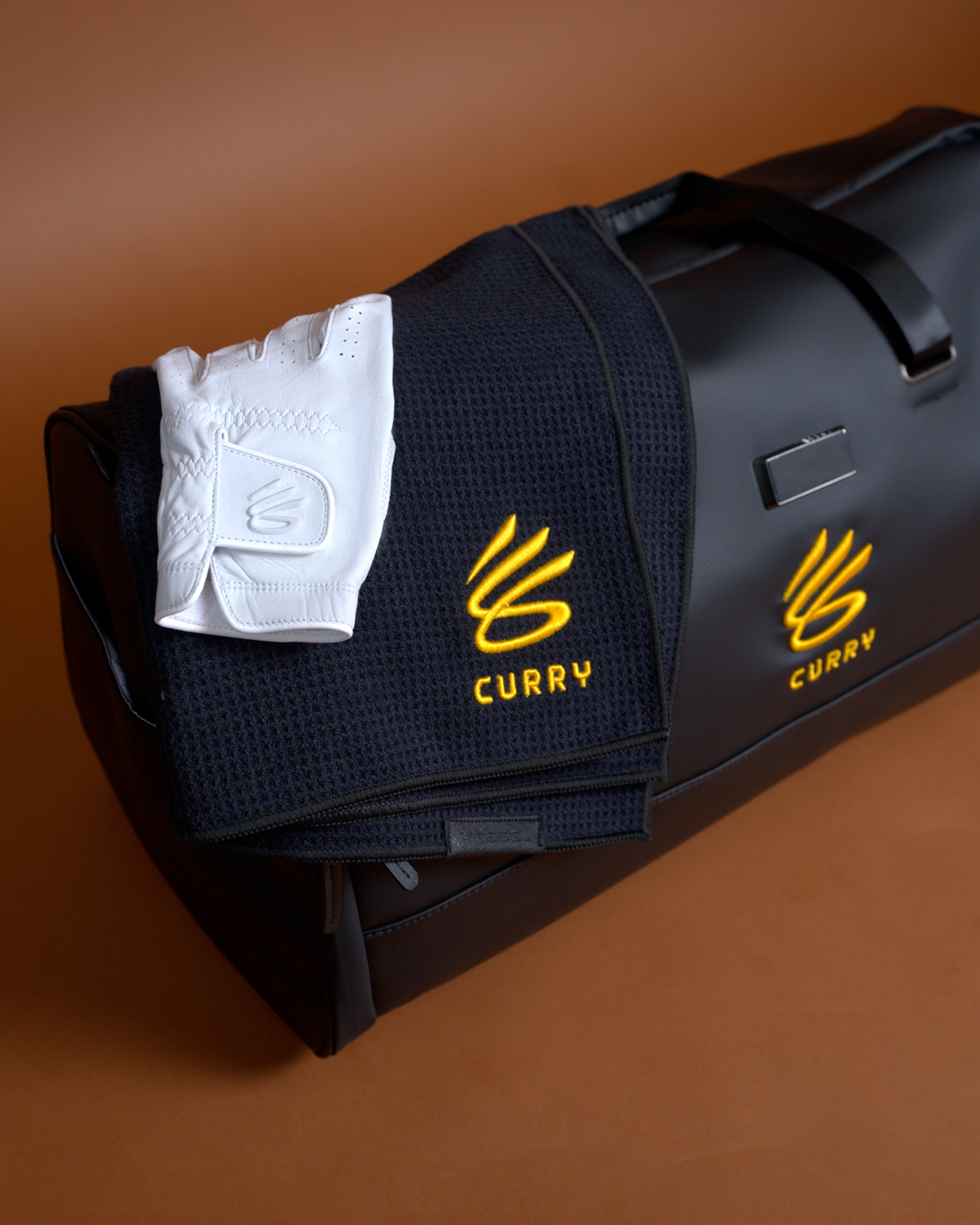



Your glove goes on your lead hand, the one sitting highest on the grip. Swing right-handed? Left-hand glove. Swing left-handed? Right-hand glove. That's it. The lead hand does the dirty work, absorbing roughly 75-80% of the torque while holding the clubface square, so it's the hand that blisters and slips. Your trail hand stays bare for feel. And yes, glove labels match the hand that wears it. There's more to nail down, though: sizing, leather, and when two gloves make sense.
What Hand Do You Wear a Golf Glove On?
You wear the glove on your top hand. That's it. If you swing right-handed, that's your left hand. Swing left-handed? Your right hand. It's a simple mirror image, and every golf guide says the same thing. It's not just an amateur habit either over 95% of professional golfers consistently wear a golf glove.
Here's where shops trip people up: glove labels refer to the hand that wears the glove. A left-hand glove fits your left hand. So right-handed golfers buy left-hand gloves, and left-handed golfers buy right-hand gloves. Don't overthink it.
Why the top hand? It does most of the club control, so the glove gives you a more secure grip and cuts down slippage through the swing. If you're ever unsure, take a natural grip on the club and whichever hand sits highest on the shaft is your glove hand.
One annoyance: if you're a lefty, expect thinner pickings. Plenty of shops stock barely any right-hand gloves. Frustrating, but online mostly fixes it.
The Lead Hand Rule Behind Every Golf Glove
That top-hand thing isn't some random tradition; it's the lead hand rule, and it's the only reason golf gloves exist in their current form. Your lead hand sits at the top of the grip, and it does the heavy lifting: holding pressure, guiding the club, and keeping the face from twisting at impact. For right-handed golfers, that means the glove goes on the left hand, every time.
That's why the glove goes there. Tack where you need it, blisters and calluses where you don't. The good ones are built from premium Cabretta leather, which gives you a natural feel, real softness, and better grip than any synthetic. Your trail hand stays bare, so you keep feel, release, touch, the soft stuff around the green.
Left-handed? Same rule, opposite side. Top hand wins. Always. Your dominant hand doesn't get a vote.

Why Right-Handed Golfers Wear a Left-Hand Glove
Grab a club right-handed and look at your hands: the left one's on top, closest to the butt end, and it's the anchor. It holds the club. It stabilizes it. Your right hand? It's mostly along for the ride, adding feel and timing from below.
That's why the glove goes on your left. That hand eats the friction, absorbs the rotational force through your downswing, and keeps the club from twisting at impact. Skin alone doesn't cut it, especially when you're sweating in August heat.
The glove adds tack so you can hold firm without strangling the grip. It also helps prevent blisters and calluses on the hand doing the real work. When you're shopping, packaging marked "Mens Left" means the glove is made for a right-handed golfer's lead hand.
Your right hand stays bare because it needs feel, not armor. Simple. And plenty of players strip the glove off entirely for putting, chipping, and pitches inside 50 yards, where touch matters more than grip security.
Why Left-Handed Golfers Wear a Right-Hand Glove
Flip everything, and the logic holds. If you swing left-handed, your right hand sits up at the butt end of the grip. That's your lead hand. It anchors the club, absorbs the pressure, and does most of the controlling while your left hand handles feel and release. So the glove goes on the right hand. Simple.
When you shop, look for a glove labeled right-hand. Not left. Gloves are sized by the hand they fit, and plenty of lefties have grabbed the wrong one because the box says "left-handed golfer" somewhere in tiny print. Annoying, but check anyway. Be warned, too: many shops carry "Wear on Right" gloves only in limited numbers, so you may have better luck ordering online than digging through a pro shop bin.
Get it snug. Loose material bunching in your palm defeats the whole point, and you'll end up squeezing harder, which kills your wrist mobility and your swing.
Why One Golf Glove, and When to Wear Two
Since the lead hand does the heavy lifting- holding the club, absorbing the torque, keeping the face from twisting at impact- that's the hand that needs traction. Your trail hand? It's along for the ride, mostly providing feel. Glove it up, and you dull the feedback that tells you where the clubhead is. That's why most players keep it bare.
One glove also keeps your grip from feeling fat and lets you hold on lighter, freeing up your wrists and adding speed. Two gloves aren't illegal. Nothing in the Rules says otherwise. Wear them when it's cold, when your hands sweat buckets, when blisters show up, or during long-range sessions. Comfort over feel. Simple trade off.
Frequently Asked Questions
How Often Should You Replace a Golf Glove?
Every 10 to 15 rounds for most golfers. Play four times a week? You're buying a new one every month. Don't count rounds, though; check the glove. Thin spots in the palm, a shiny glazed patch, frayed seams, or your hands slipping mid-swing mean it's done. Hot, sweaty summer rounds and range mats chew through leather fast. Rotate two gloves and let them dry fully. You'll get way more life out of both.
How Do I Find the Correct Golf Glove Size?
Grab a soft tape and wrap it around your knuckles, excluding your thumb. Snug, not strangled; pull too tight and you'll size down and regret it. Then measure from the wrist crease to the middle fingertip. Match both numbers to the brand's chart: roughly 7 to 7.5" is small, 7.5 to 8" medium, 8 to 8.75" large, 8.75 to 9.25" XL. Short fingers, wide palm? You're a cadet. Then try it on and make a fist. No bunching, no pinching.
Can You Wash a Golf Glove Without Ruining It?
Yes, but wash it by hand. Brush off the loose dirt, then work it in a sink of cool water with a drop of mild soap, focusing on the palm and fingers where sweat builds up. Don't soak it, don't scrub it raw, and keep bleach far away. Rinse, pat dry with a towel, and let it air-dry out of the sun. Leather in the washing machine? Don't.
Yes, you'll hit awkward yardages. Who cares? You're a beginner. And the rules allow 14 clubs, not require them. Add clubs later, once you know what's missing.
Is Leather or Synthetic Better for Golf Gloves?
Depends on what you're chasing. Cabretta leather feels incredibly soft, tacky, and molds to your hand, but you'll burn through it in 5 to 15 rounds and pay more for the privilege. Synthetic feels firmer and less connected, but it'll last 20-plus rounds, handles rain and sweat way better, and costs less. My take: leather for dry days and feel, synthetic for humidity, downpours, and anyone playing three times a week.
Do You Need a Glove at All to Play Golf?
Nope. Gloves are optional; the Rules of Golf don't care either way, and plenty of tour pros play bare-handed. That said, most golfers benefit from one. A glove increases friction so the club won't twist, saves you from blisters, and keeps sweat from turning your grip into a slip-n-slide. Skip it if you want maximum feel, especially around the green. Play nine with, nine without, then decide for yourself.
Conclusion
So: glove goes on your lead hand. Righty? Left glove. Lefty? Right glove. That's it. Don't overthink it, and don't let some pro shop kid talk you into a pair unless your hands blister or it's 40 degrees out. Buy it snug, not tight. Pick your poison, then go hit balls.


