



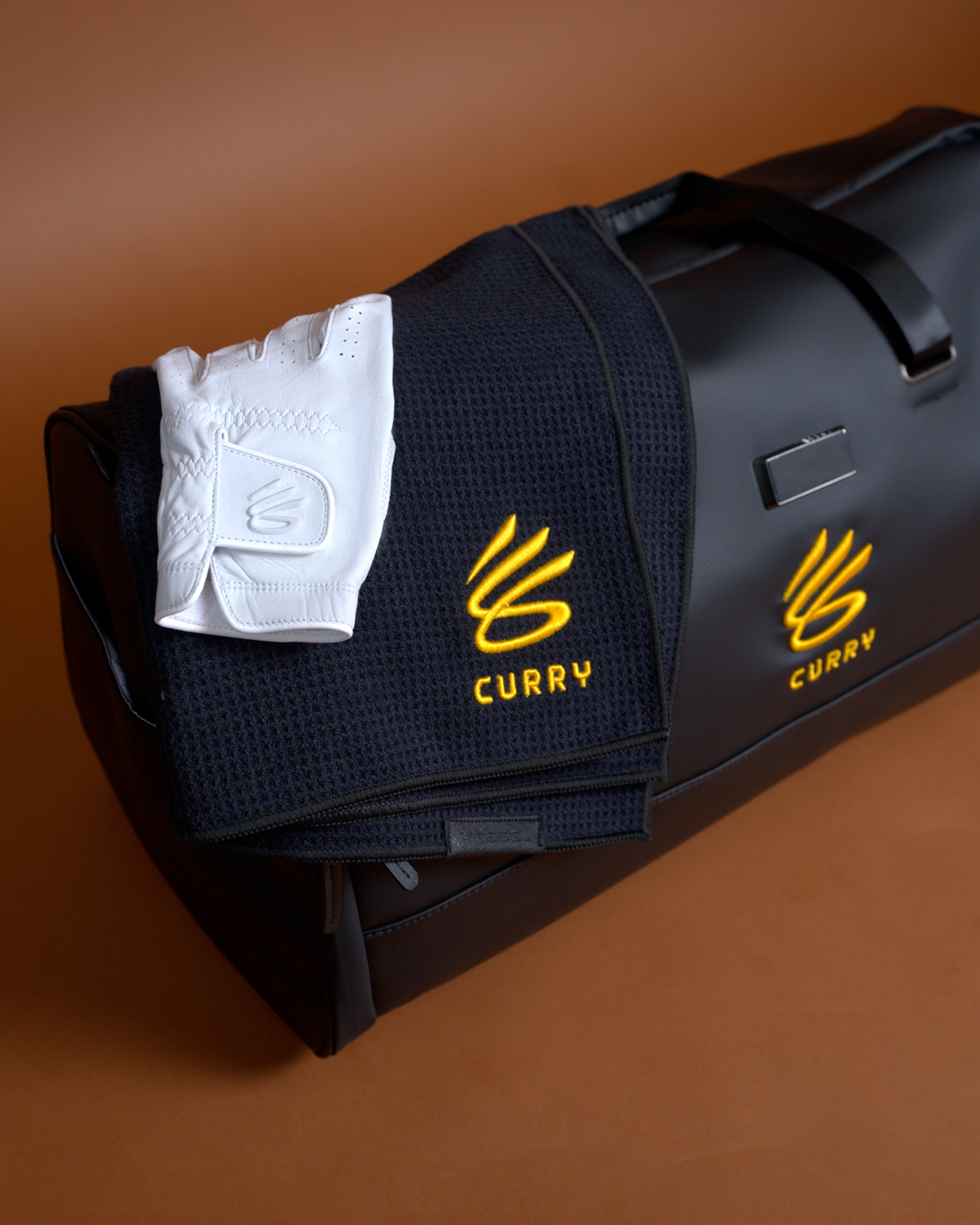



Casual golf attire depends entirely on where you're playing. At public courses, you can usually get away with a polo shirt, khakis or clean denim, and even sneakers; they prioritize comfort over formality. Private clubs are a different story, though, requiring collared shirts tucked in, customized slacks or Bermuda shorts, and proper golf shoes about 95% of the time. Resort courses fall somewhere in the middle, typically banning T-shirts and athletic shorts but allowing neat denim. The specific rules vary widely across facilities, so you'll want to confirm the dress code before you show up.
Table of Contents
What Does "Casual" Mean at Public vs. Private Golf Courses? Can You Wear a T-Shirt or Does Your Golf Course Require Collars? Are Sneakers Allowed or Do You Need Golf Shoes? What Jackets and Layers Are Acceptable for Casual Golf? How Do You Check a Course's Dress Code Before You Arrive? Frequently Asked Questions Conclusion
What Does "Casual" Mean at Public vs. Private Golf Courses?
When you're trying to figure out what "casual" means in golf attire, the type of course you're playing makes all the difference. At public courses, you'll find relaxed dress codes that prioritize comfort, think polos with khakis or even clean denim, regular sneakers, and athletic wear in good condition. The point is: they're focused on accessibility. Private clubs? That's a completely different story. They maintain strict traditional standards where casual means fitted slacks or knee-length Bermuda shorts with belts, proper golf shoes (no sneakers!), and shirts tucked in without exception. Denim and athletic wear are absolutely banned. Resort and semi-private courses strike a balance, requiring collared shirts and mid-thigh shorts while occasionally permitting neat denim, unlike private clubs' zero-tolerance policy. These courses often mandate proper golf shoes for all players to protect the greens and maintain course standards.
Can You Wear a T-Shirt or Does Your Golf Course Require Collars?
Wondering whether you can throw on your favorite graphic tee for a round of golf? The fact of the matter is: most traditional courses say no. Men typically need collared shirts, polo styles, or turtlenecks tucked into their pants. Women have more flexibility, though. You can wear sleeveless tops or collarless golf shirts as long as they're modest and designed for golf.
That said, some courses are loosening up! Your best bet? Call ahead or check the pro shop before you show up. Each course sets its own rules. At many clubs, you'll need to check in at the Golf Shop upon arrival and identify yourself and your Member host. Following the dress code shows respect for both the sport and the course itself, which is why staff take these standards seriously.
Are Sneakers Allowed or Do You Need Golf Shoes?
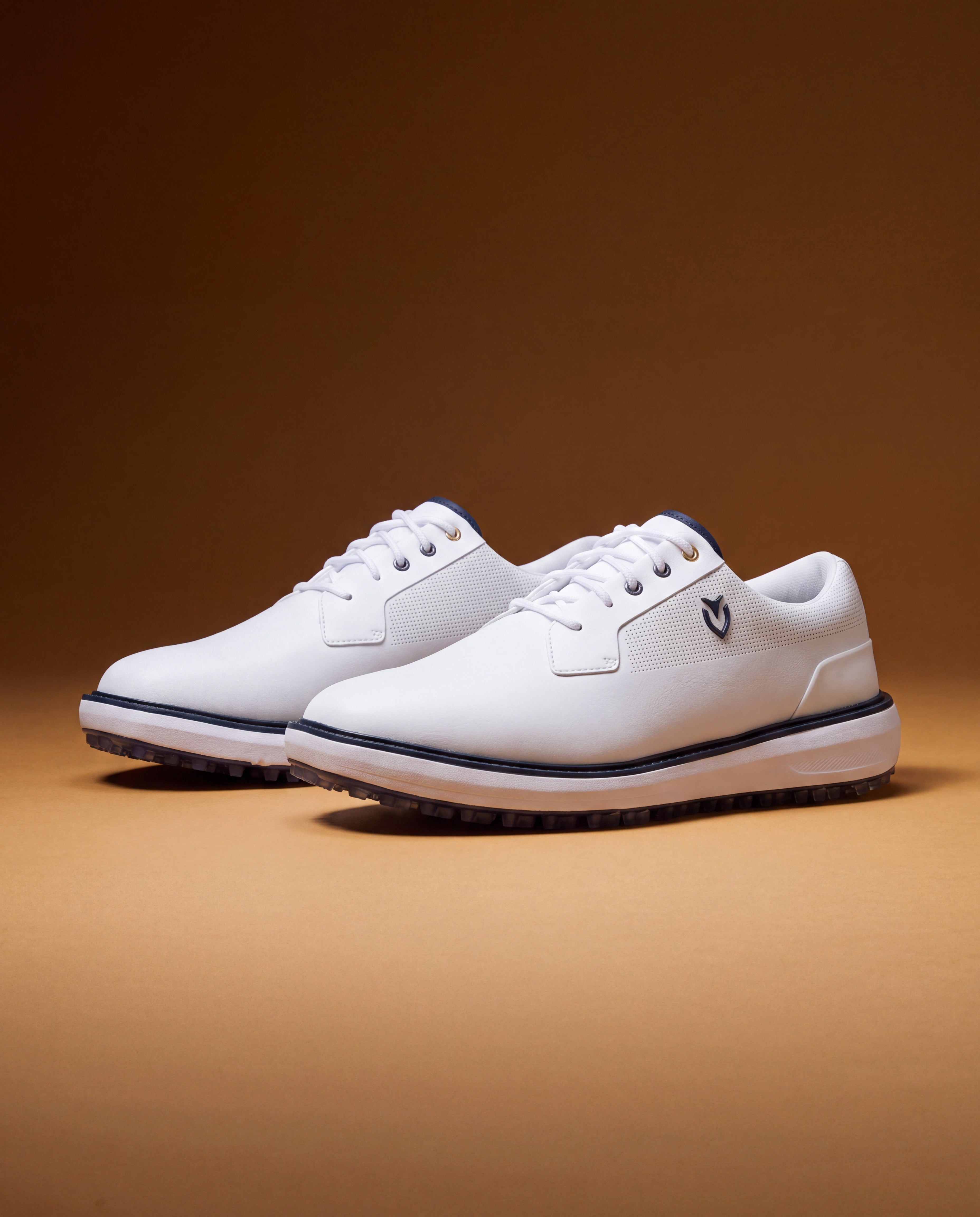
How strict are golf courses regarding what's on your feet? It depends on where you're playing. Public courses with relaxed dress codes often let you wear sneakers or regular tennis shoes, especially for casual rounds. However, private clubs won't budge; they require proper golf shoes and will deny play if you show up in sneakers. The important point is that about 95% of traditional clubs demand dedicated golf footwear. The performance difference matters too. Golf shoes provide better traction and lateral support during your swing, while sneakers designed for running lack the grip you need on turf. Spikeless golf shoes are widely accepted and offer excellent grip without damaging the greens. When you're unsure, golf shoes are always the safest choice. Keep in mind that metal spikes are universally banned at courses, so your golf shoes must have soft spikes. Pro tip: check the specific course's dress code policy before you arrive!

What Jackets and Layers Are Acceptable for Casual Golf?
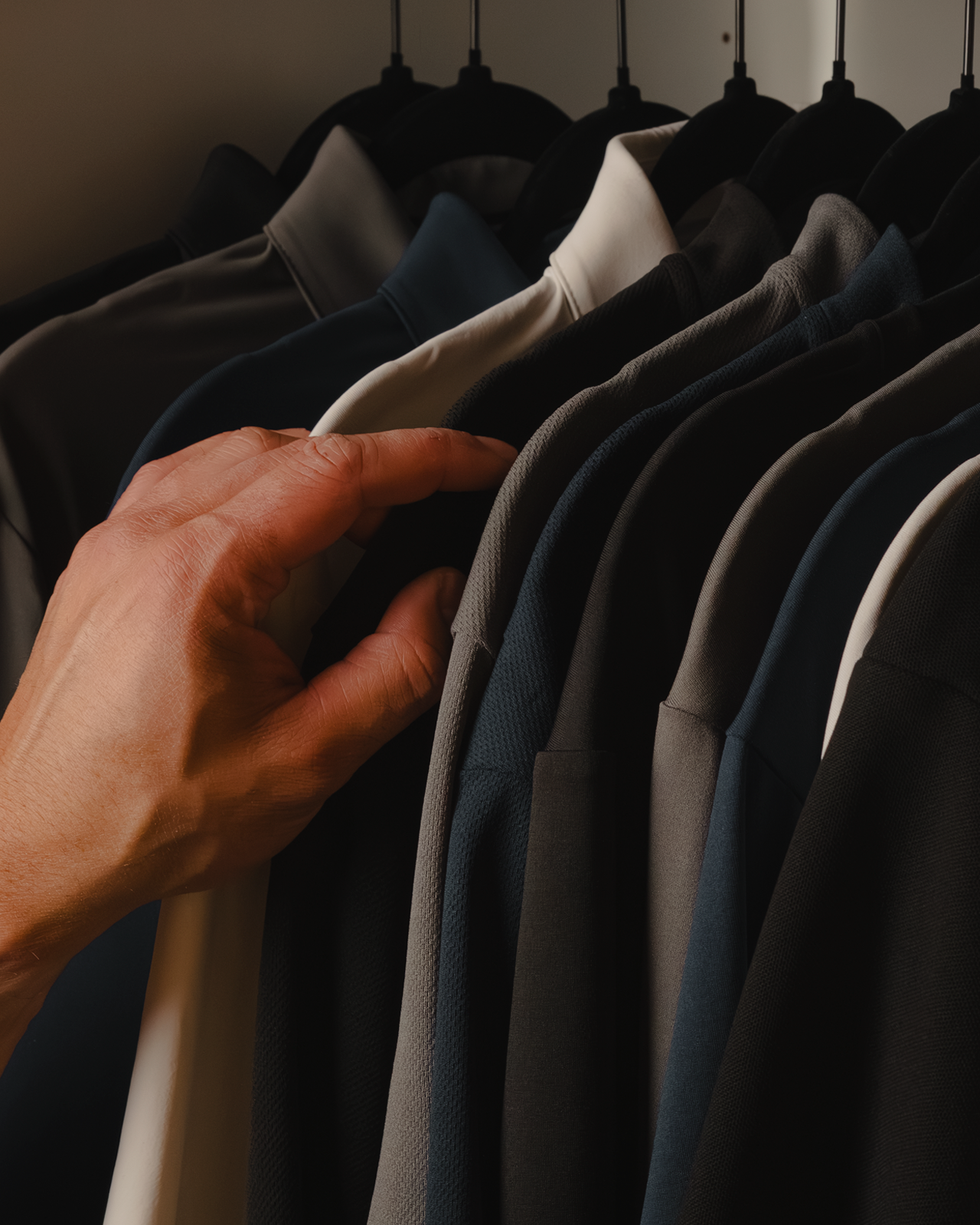
Just like your feet need the right gear, your upper body needs proper layering when the temperature drops or the wind picks up. You'll want windbreakers and lightweight jackets over your collared shirt; they're welcome at virtually every course. The important part: stick with fitted styles and breathable materials to avoid looking like you're wearing your dad's old camping gear.
Sweaters work great too, especially half-zips that maintain that clean, put-together look. Vests are another solid choice for keeping your core warm while preserving your swing mobility. You can even throw on thermal undershirts beneath everything when it's really cold. Lightweight, moisture-wicking fabrics help regulate your body temperature during your round.
What you can't wear? Hooded fleece sweatshirts, baggy pullovers, and denim jackets. These violate most dress codes and scream "I just rolled out of bed." Whatever layers you choose, ensure they're worn over a collared shirt to meet course requirements.
How Do You Check a Course's Dress Code Before You Arrive?
Where exactly should you look to confirm what's acceptable before you show up for your tee time? Start with the course's website, most have dedicated sections under "Club Rules" or "Course Etiquette" that spell out their requirements. You'll find specifics on collared shirts, pants, and footwear. If you can't find clear answers online, just call the pro shop directly. Staff members are trained to answer these questions and can clarify whether your specific clothing items work. The fact is: private clubs enforce stricter codes than public courses, so factor that in. Resort courses typically email dress code guidelines when you book, which gives you time to prepare. Contact them at least one day before playing you don't want surprises at the first tee!
Frequently Asked Questions
Can Women Wear Leggings or Yoga Pants on the Golf Course?
You can wear leggings or yoga pants on most golf courses, but it depends on where you're playing. Public and municipal courses usually welcome golf-specific leggings made from breathable, moisture-wicking fabric. Private clubs? They're often stricter and might not allow them at all. The point is: stick with thick, opaque leggings in solid colors no holes or see-through material. Pair them with a collared shirt at nicer courses to look more polished!
Are Hats Required or Optional During Rounds at Different Courses?
Hats aren't required by official golf rules, but the fact is it depends where you're playing. Public courses usually give you freedom to skip headwear if you want, while private clubs often require hats worn forward-facing only. You'll need to check each course's dress code since club policies override general guidelines. Just remember to remove your hat inside clubhouses at private venues and during ceremonies or handshakes that's basic golf etiquette everywhere.
Do Dress Codes Apply to Practice Ranges and Putting Greens?
Yes, dress codes absolutely apply to practice ranges and putting greens at most golf clubs. You'll need to follow the same rules you'd face on the course collared shirts, no denim (except winter months at some clubs), and proper golf shoes. Tank tops, cargo shorts, and athletic wear are banned. The reality is: staff actively enforce these standards, so don't assume practice areas get a pass. You're still representing the club!
Can I Wear Black Jeans if Regular Denim Is Prohibited?
No, you can't wear black jeans even if regular denim's banned. The key point is: when golf courses prohibit denim, they mean all denim, regardless of color. Private clubs and traditional courses specifically mention black jeans alongside blue jeans in their dress codes. Your best bet? Go with customized golf pants, chinos, or Bermuda shorts instead. If you're uncertain about a specific course, call ahead to confirm their rules before you arrive!
Are There Dress Code Differences Between 9-Hole and 18-Hole Rounds?
Look, casual golf attire isn't as complicated as you might think. Most public courses let you wear pretty much anything reasonable, while private clubs stick to collared shirts and proper golf shoes. When you're unsure, just call ahead or check the course website it takes two minutes and saves you the embarrassment of getting turned away at the initial tee. Now get out there and play!
Conclusion
Look, casual golf attire isn't as complicated as you might think. Most public courses let you wear pretty much anything reasonable, while private clubs stick to collared shirts and proper golf shoes. When you're unsure, just call ahead or check the course website it takes two minutes and saves you the embarrassment of getting turned away at the initial tee. Now get out there and play!


