







You'll protect your back and save energy by organizing clubs properly: driver up top, irons in the middle, and balls down low to keep the weight balanced. Use Vessel’s dual straps, crossed in an "X" pattern across your chest, and position the bag high on your shoulders. Switch between shoulders every few holes if you're using a single strap. Keep your bag under 20% of your body weight by ditching clubs you won't use. Command these techniques, and you'll walk 18 holes without feeling like you've been through a wrestling match.
Preparing Your Golf Bag for Optimal Weight Distribution
When you're hauling 14 clubs around for 18 holes, the way you pack your bag can mean the difference between feeling fresh on the back nine or dragging yourself to the finish. Start by placing your driver and woods at the top section. These heavy hitters need to sit high for easy access and better balance. Your irons go in the middle slots, longest to shortest, which spreads the weight evenly and stops them from banging together. Wedges and your putter belong up front, where you'll grab them most. Consider using full-length dividers if your bag has them, as they prevent club tangling and protect your shafts during transport.
Here's the pivotal change: dump those extra balls and your rangefinder in the bottom pockets. This drops your bag's center of gravity, making it way easier to carry without throwing out your back. Keep your rain jacket and gloves in a larger side pocket where they'll stay separate and easily accessible when weather conditions change.
Single-Strap Carrying Techniques and Best Practices
The single strap remains golf's classic carry method, and getting it right saves your body from unnecessary punishment during those walking rounds. Start by placing the strap on your dominant shoulder it's stronger and handles the load better. But here's the trick: switch shoulders every few holes. Your physiotherapist would approve, and your back will thank you later.
Adjust that strap so your bag sits high and snug against your back. A low-hanging bag bouncing around makes you look like a rookie and feels miserable by hole nine. Keep your spine straight, let your legs do the walking work, and don't overpack. Those three extra sleeves of balls you'll never use? Leave 'em in the car. Single-strap carrying works great for quick practice sessions or when you're hoofing it from cart to green. For right-handed golfers, the strap typically goes over left shoulder to keep your dominant arm free for quick club access. Remember to evaluate posture regularly while carrying to catch any slouching or leaning that could lead to injury.
Two-Strap Backpack Method for Enhanced Comfort
After you've wrestled with that single strap for eighteen holes, your shoulder probably feels like it went ten rounds with Mike Tyson. That's where the two-strap backpack method saves the day.
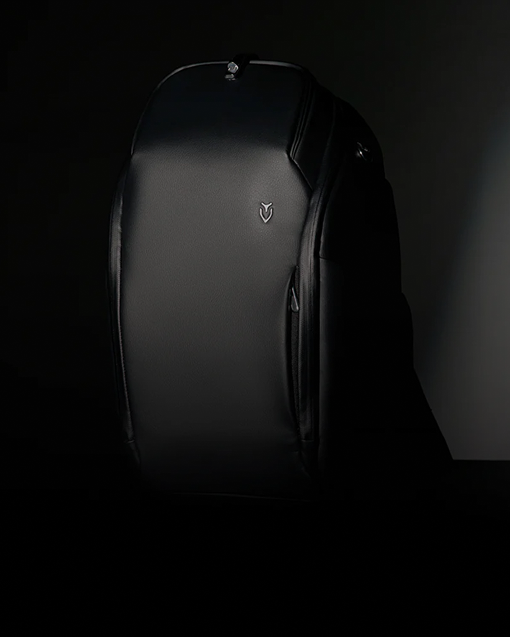
Think of it like wearing a regular backpack you'll slide one arm through each strap, positioning the bag high on your back with clubs facing backward. The straps should form an "X" across your chest, distributing weight evenly across both shoulders. You'll immediately notice less strain and better posture. This method works especially well with stand bags that feature dual shoulder straps designed for balanced carrying during your round.
Here's the key: adjust both straps to equal lengths so the bag sits snugly against your back. This prevents bouncing and that annoying downward pull that murders your neck. Look for padded straps when selecting your bag to minimize shoulder fatigue during longer rounds. Sure, it takes a minute to dial in the fit, but your back will thank you after walking eighteen.

Essential Strap Adjustments and Equipment Considerations
Getting those straps dialed in right makes the difference between feeling fresh on the back nine or dragging yourself to the nineteenth hole like you've been hauling bricks. Start by adjusting both straps with your bag fully loaded - that's when you'll get the true weight distribution. You want that bag sitting high on your back, right near your lower shoulder blades, not sagging down like a wet towel. The bag should rest comfortably on the small of the back when properly positioned.
Here's the key: form an "X" shape across your back with those straps. This spreads the load evenly and keeps you balanced through eighteen holes. If you're feeling one side pulling harder, loosen the opposite strap and tighten the heavy side. Most quality golf bags offer four adjustment points - two on each strap - giving you plenty of options to fine-tune the fit. Wide, padded straps are your friends - they'll save your shoulders from feeling like hamburger meat after walking the course.
Frequently Asked Questions
How Often Should I Replace Worn Golf Bag Straps for Safety?
You'll want to replace those straps every 3-4 years with normal use, but check 'em regularly for fraying or torn fabric. If you're playing daily or your bag's seen better days, don't push it - worn straps can dump your clubs mid-carry and wreck your back. Any broken buckles? Replace immediately. Think of it like replacing your grips - small investment that'll save you from bigger headaches down the fairway.
Can I Use a Carry Bag on a Push Cart Without Damage?
Yes, you can use a carry bag on a push cart without damage if it's got a flat base and cart strap pass-through. Most modern stand bags work great on carts. Just secure it properly with the cart straps and check that it doesn't wobble side-to-side. If your bag shifts around or rubs against the frame, you'll wear it out faster. Consider bags designed for cart compatibility for best results.
Should I Carry My Bag Differently in Wet or Rainy Conditions?
Yes, you'll want to switch up your carrying strategy when it's wet. Don't carry your bag on your shoulder - use a push cart with an umbrella holder instead. A soaked bag gets heavy fast and transfers moisture to your grips. If you must carry, use waterproof rain covers and keep switching shoulders more frequently. The extra weight from water absorption will tire you out and wreck your swing consistency.
What's the Best Way to Clean and Maintain Golf Bag Straps?
You'll want to detach those straps and soak 'em in warm soapy water with mild dish soap. Grab an old toothbrush and gently scrub in circles - don't go crazy on leather parts though. For leather, use proper leather cleaner and conditioner to keep 'em from cracking. Rinse everything thoroughly, squeeze out excess water, and let 'em air dry flat in the shade. Once bone-dry, reattach and you're golden.
Conclusion
You've got the tools now to carry your bag without feeling like you're hauling a piano up the 18th fairway. Whether you're rocking the single-strap swagger or going full backpack mode, proper technique saves your back and energy for what matters your swing. Keep your bag light, straps adjusted right, and weight distributed smart. Your shoulders will thank you, and you'll still have gas in the tank for that vital back nine.


