

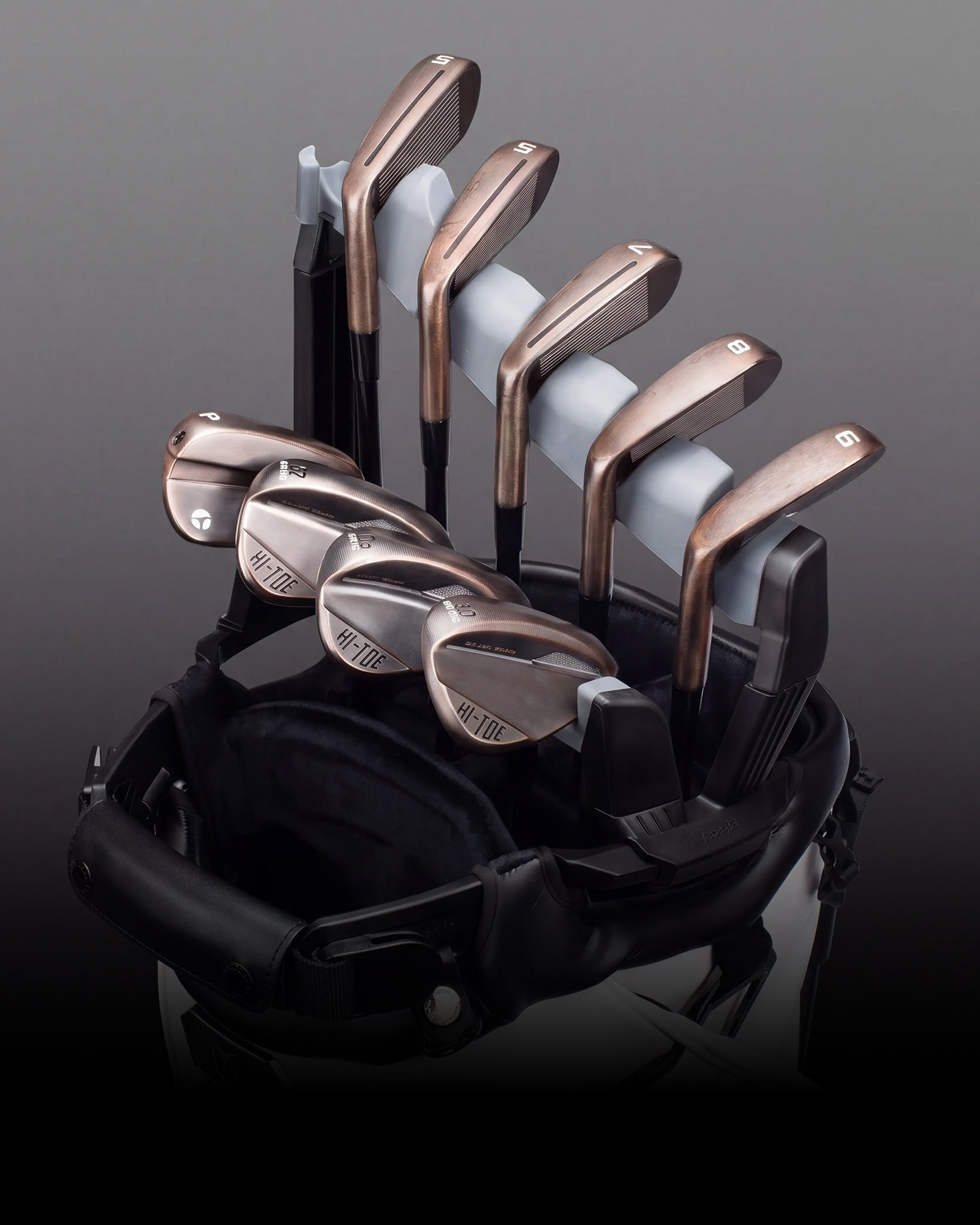




You don't need expensive rust removers; white vinegar and fine-grade steel wool (0000) handle most surface rust on golf clubs. Soak only the clubhead in vinegar for one to three hours, then scrub gently with steel wool dipped in fresh vinegar. Rinse immediately with clean water, then dry completely with a microfiber cloth to prevent further oxidation. The real breakthrough is what you do after cleaning to stop rust from returning.
Gathering the Right Materials and Tools
Before you grab whatever's under your sink and start scrubbing, let's clear up a common misconception: rust removal isn't about attacking your clubs with the most aggressive chemicals you can find. That's how you destroy a perfectly good set of irons.
You'll need soft cloths, warm soapy water, and a soft toothbrush for the grooves. For stubborn spots, grab fine-grade steel wool (0000 only, anything coarser will wreck your finish) and a green Scotch-Brite pad. WD-40 loosens rust beautifully before scrubbing. White vinegar and baking soda work as natural alternatives. When combined, these two ingredients create a reaction that helps lift rust from the metal surface.
Don't skip the rubber gloves, your hands will thank you. Keep clean water nearby for rinsing, and lay down old towels to protect your workspace. Store the silica gel packets in your golf bag afterward to absorb moisture and prevent future rust. Simple setup, but it makes all the difference.
Soaking Methods to Loosen Stubborn Rust
When warm, soapy water and light scrubbing won't cut it, soaking becomes your best weapon against stubborn rust, but here's where most golfers go wrong. They dunk the entire club and walk away. Don't do that. Submerge only the clubhead, keeping ferrules and grips bone dry.
For moderate rust, white vinegar works brilliantly. Soak the head for one to three hours, the acid dissolves iron oxide without destroying your finish. Heavy rust demands patience; light rust needs less time. For extensive rust buildup, you can soak up to a day for better results. After soaking, use a toothbrush to scrub the grooves and a soft cloth to gently brush the shafts.
Prefer something gentler? Mix baking soda into a thick paste and apply it directly to rusty spots for 20 to 30 minutes. This alkaline approach handles minor rust without the acidity concerns.
Regardless of method, rinse immediately and dry thoroughly. Leftover moisture restarts the rust cycle.
Mechanical Techniques for Removing Rust
Soaking loosens rust, but mechanical action actually removes it and choosing the wrong tool here can wreck your clubs faster than rust ever would.
Ultra-fine steel wool dipped in white vinegar works beautifully on light surface rust. Keep the pressure light, you're coaxing rust off, not grinding metal. For stubborn spots, fine-grit sandpaper handles heavier deposits, but go too coars,e and you'll scratch your chrome permanently.
Here's a trick most guides skip: crumpled aluminum foil dampened with vinegar provides gentle abrasion while the vinegar's acid simultaneously attacks rust. It's safer on chrome than steel wool when you're nervous about scratching.
Don't forget the club face. Use a hard-bristle toothbrush dipped in vinegar to scrub out the grooves where dirt and rust accumulate.
After mechanical removal, polish with a lint-free cloth using small circular motions. For professional-grade results, apply a product like 3M chrome and metal polish to restore the finish and protect against future oxidation. Skip this step and you've just created a fresh canvas for new rust to form.

Cleaning and Drying Your Golf Clubs
Once you've scraped away the rust, you're not done you've actually created the perfect conditions for fresh oxidation if you skip proper cleaning.
Soak your iron clubheads in warm, soapy water for 5-10 minutes. Heavily soiled clubs need 15-20 minutes. Grab a soft-bristle brush and scrub those grooves thoroughly dirt buildup kills spin control. Dirt in grooves can dramatically reduce your ball's spin and trajectory control. Rinse under running water to flush every trace of soap residue.
Here's where most golfers mess up: they towel off and call it done. You need to dry immediately with a microfiber cloth, then hit hard-to-reach grooves with a dry brush. Let clubs air dry completely before storage. After drying, apply chrome or steel polish and let it rest before buffing with a soft cloth for a protective finish.
Skip this step, and you'll watch new rust form within days. Don't submerge metal woods a damp brush protects their finishes.
Frequently Asked Questions
Can Rust on Golf Clubs Affect My Swing or Ball Performance?
Yes, rust directly hurts your performance. It fills your grooves, destroying their ability to grip the ball and generate spin. You'll notice less stopping power on greens and reduced shot control with your wedges and irons. Rust also throws off your club's weight distribution, messing with balance and feel during your swing. Don't buy the myth that rust adds helpful texture testing proves it either reduces spin or does nothing beneficial.
How Long Does Rust Removal Typically Take From Start to Finish?
Rust removal takes anywhere from 30 minutes to several days it depends entirely on severity. For light surface rust, you're looking at under an hour with vinegar and elbow grease. A full set with moderate rust? Budget 3-5 hours including soaking, scrubbing, and polishing. Heavy, deep rust on vintage clubs might stretch across multiple sessions over 1-2 days. Don't rush it aggressive shortcuts damage your clubs permanently.
Should I Remove Rust Myself or Hire a Professional Club Restorer?
It depends entirely on the rust's severity. If you're dealing with surface rust, tackle it yourself a vinegar soak and some elbow grease will handle it, and you'll save money. But here's the truth: deep, pitting rust is a different beast. You'll likely make it worse with DIY attempts. For extensive damage, a professional's specialized equipment and refinishing capabilities justify the cost.
Does Rust Damage Decrease the Resale Value of My Golf Clubs?
Yes, rust absolutely tanks your resale value. You're looking at a 20–50% hit compared to identical rust-free clubs. Here's the brutal truth: rust on faces and grooves can drop your clubs into "Poor" or "No Value" trade-in categories, and some programs will reject them outright. Buyers see rust and assume neglect they'll either lowball you or walk away entirely. Remove it before selling.
Conclusion
You've now got everything you need to bring those rusty clubs back to life. The process isn't complicated it just takes the right approach and a little elbow grease. But here's what separates weekend hackers from smart golfers: prevention beats restoration every time. Dry your clubs after every round, store them properly, and you'll never need this guide again.


